By David Brooks, Montana Trout Unlimited and Dr. Phil Ramsey, MPG Ranch —
Minerals and metals are part of our everyday lives. The computer you are reading this on likely contains critical minerals and rare earth elements (REE) such as cobalt, gallium, germanium, lithium, neodymium and tantalum. The same is true for our cell phones and the satellites or cell towers that make communicating with them possible. Vehicles, from EVs to jets, rely on technologies that, in turn, depend on critical minerals and REEs. So it is no surprise that there is a rush to develop sources of these materials in the U.S. However, we don’t need to sacrifice the Bitterroot for a big, dirty rare earth element mine.
Collecting REE from Existing Mine Waste –
Fortunately, in Montana abundant sources of critical minerals and REEs are literally piled up all around – in the waste product of old mining projects. The 150-year history of mining in Montana has largely focused on metals that most of us know by name (and know how to spell) enshrined in the state’s motto, “oro y plata,” meaning gold and silver. A few years after Montana’s statehood that motto could well have been revised to “oro, plata y cobre” to include copper. In producing these three metals alone, mining companies from far and wide left behind everything from raw mounds to deep pits of tailings, slag, waste rock, sludge and polluted water.
While the massive amounts of unearthed material and water have scarred many Montana landscapes and waters, we now know there are a wealth of elements in that waste we can and must recover to meet our growing demand for critical minerals and REEs. The U.S. Geological Survey and Montana Bureau of Mines and Geology have mapped and identified many places where critical minerals can be recovered while helping with rehabilitation of Montana’s most polluted places. We can help meet U.S. demand without developing new mines and creating new piles and lakes of pollution. The steps to doing so are clear. The Army Research Laboratory, Montana Mining Association, and Montana Tech have envisioned a Western Mountain States Critical Minerals Hub. The plan focuses on extracting critical minerals from waste streams at mine sites: slag, tailings, unprocessed ore, and acid mine water. With this hub in Butte, the target list includes zinc, manganese, cobalt, nickel, lithium, germanium, and rare earth elements being recovered from Berkeley Pit water (reference).
The Horseshoe Bend Water Treatment Plant in Butte already treats the massive mine-water of the Berkeley Pit. A Department of War funding proposal being crafted by the Montana Mining Association would enable upgrades to the treatment plant so a rich cocktail of REEs and critical minerals could be recovered from billions of gallons of Pit water.
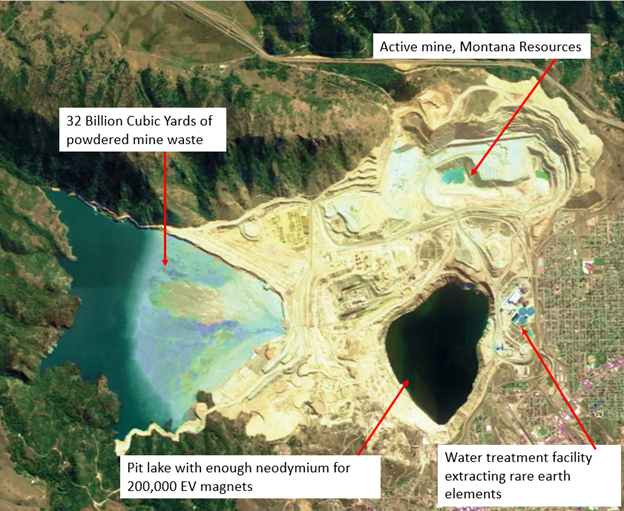
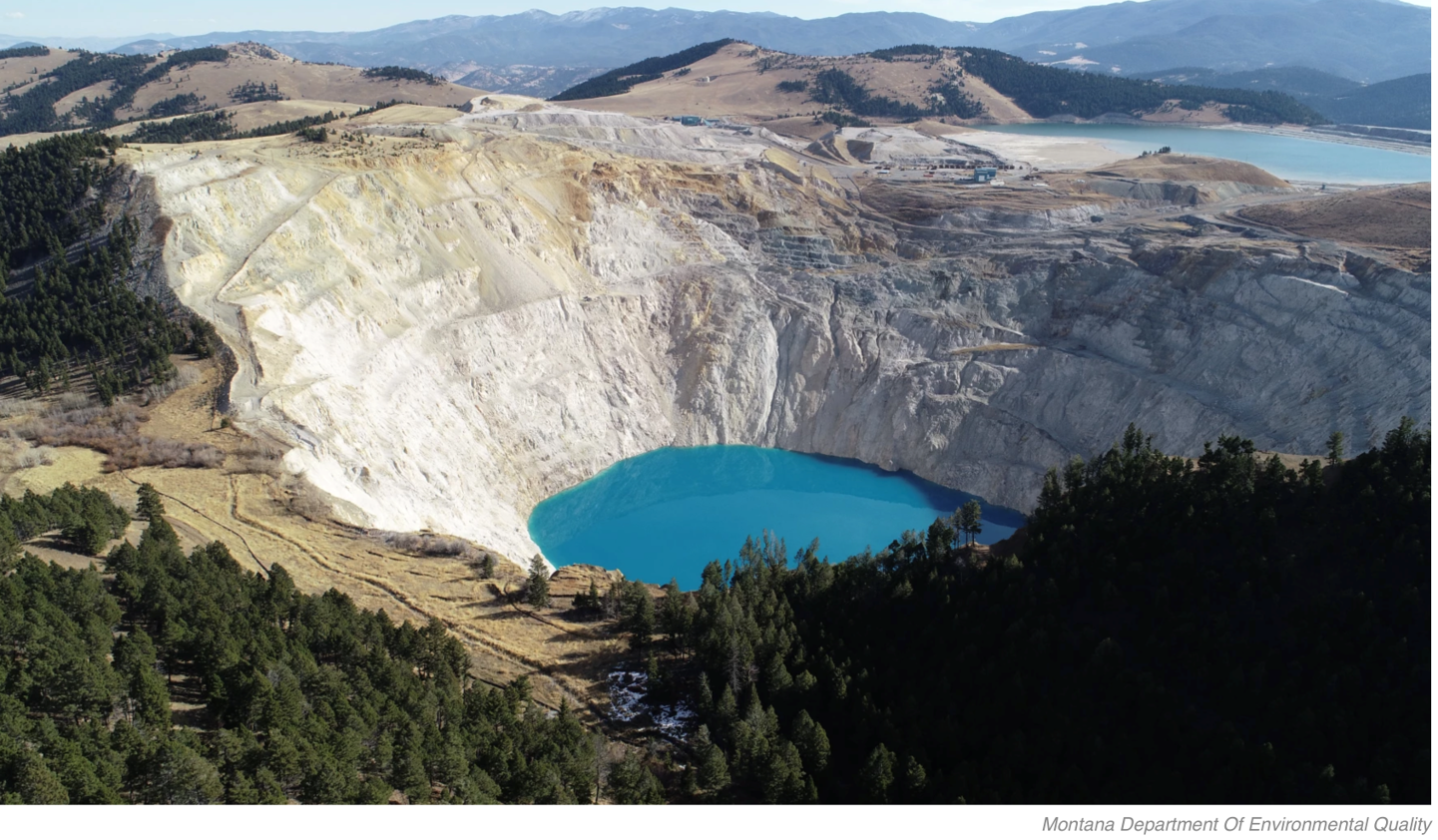
The Berkeley Pit (Butte, MT) and the Horseshoe Bend Water Treatment Plant already manage a massive mine-water problem. The Montana Mining Association’s funding request describes more than 50 billion gallons of metals- and minerals-laden water and a treatment plant that treats up to 5,000 gallons per minute. That request seeks federal support to evaluate recovery of rare earths and other critical minerals from Butte and other legacy mine sources.
Butte is not the only opportunity. The same proposal includes upgrades to the mill in Anaconda that would allow for recovery of copper, zinc, germanium, manganese, and rare earths from historic smelter waste, slag piles and possibly the Opportunity Ponds. These pilot efforts in Butte and Anaconda can pave the way for similar efforts in other waste-rich places. Then there is the possibility of increasing what is being recovered from active, permitted Montana mines where REEs and critical minerals are currently dumped into waste storage areas or reburied.
Of course, reprocessing old waste could create new risks if it isn’t done properly. Any project in Butte, Anaconda, or elsewhere that benefits from federal funding must meet water-quality standards, protect workers, be done by established and well-vetted companies, and include remediation of the large amounts of waste rock that will still be left behind, as well as long-term monitoring. Recovery should reduce pollution, not simply move it around.
Montana can help supply the minerals the country needs. Just as REEs and critical minerals are part of our everyday lives, they exist on the surface in many places around Montana. A responsible critical-minerals effort can start with disturbed ground and existing waste, infrastructure that is already available, and companies that already manage that waste and infrastructure (as well as the liability for the sites) like Montana Resources in Butte and ARCO in Anaconda.
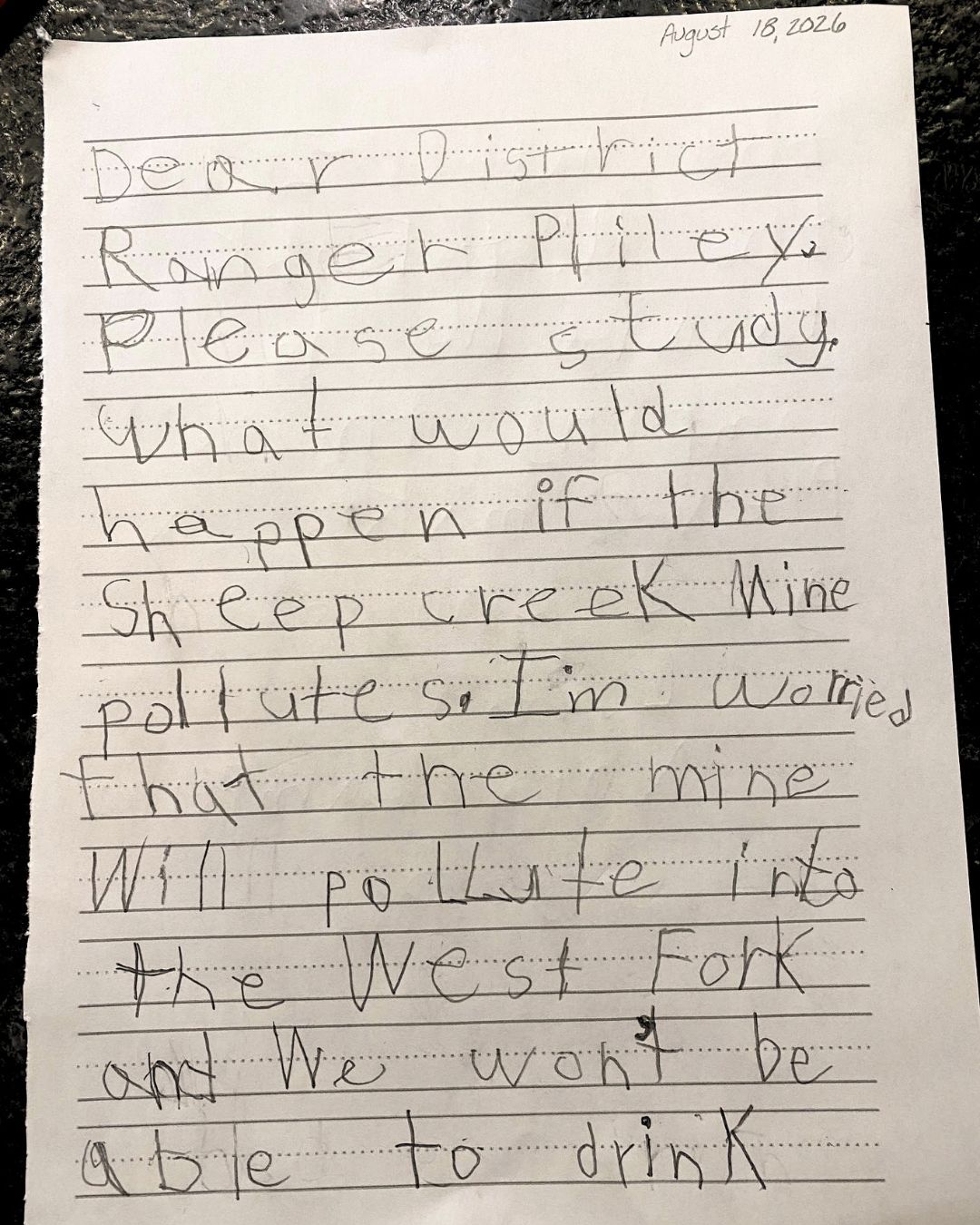
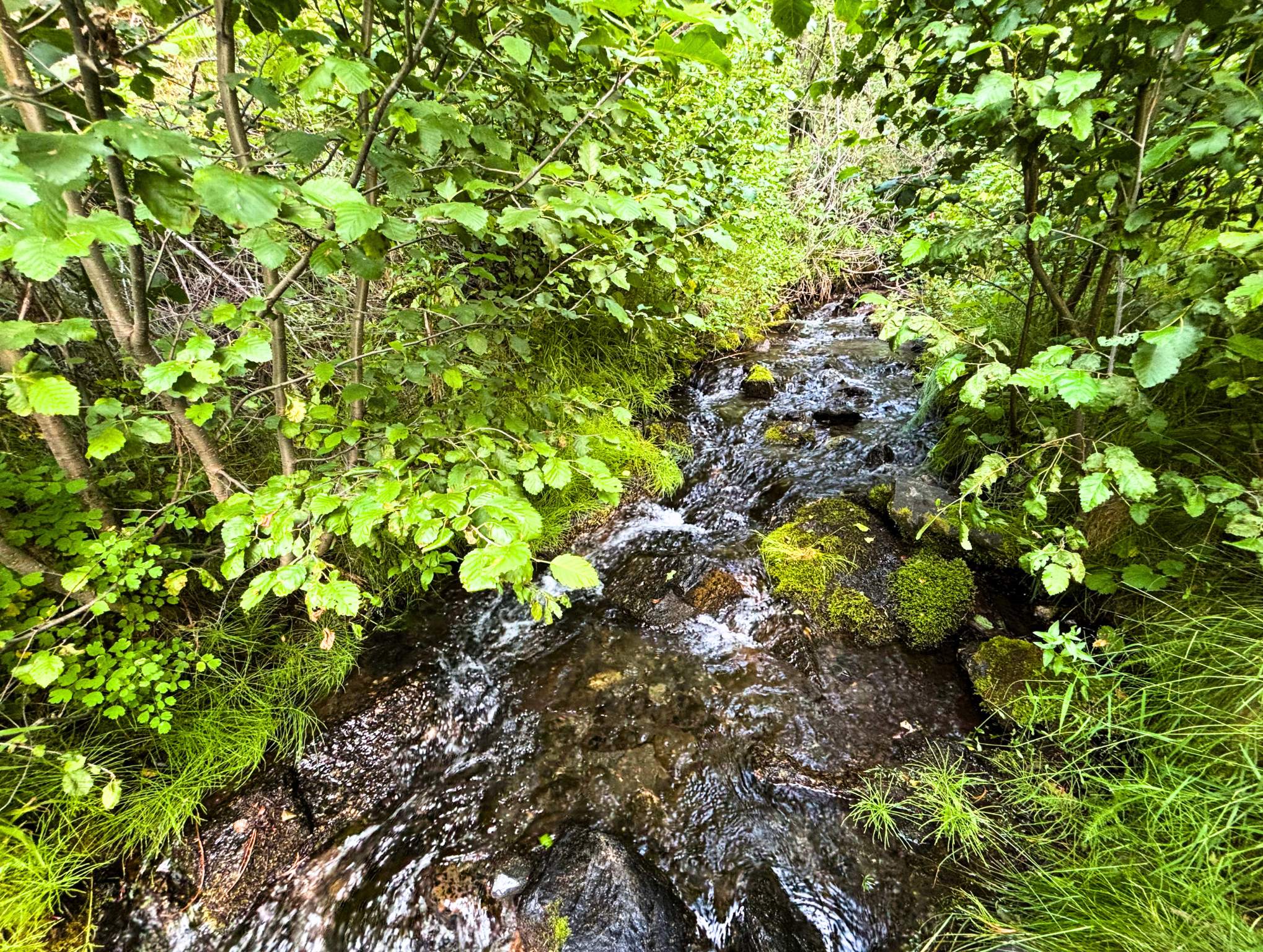
We do not have to sacrifice relatively untouched landscapes or healthy watersheds, like Sheep Creek in the Bitterroot, to lead the nation in critical mineral recovery.
That is why we are regularly meeting with the Montana Mining Association, reviewing a potential federal funding proposal to get started in Butte and Anaconda, and engaging decision-makers in Montana and Washington DC to move this concept to reality.