
Protect the Bitterroot from Sheep Creek Mine.
What's At Stake: Sheep Creek Mine
The proposed mine at Sheep Creek is in the worst possible place: the headwaters of our River.
Pollution from mining here would threaten our clean waters, harm working lands, and undermine our outdoor traditions.
CleanWater
The Bitterroot depends on clean, abundant water from the top down.
TourismLivelihoods
Recreation tourism to our Valley generates $80 million annually.
WorkingLands
Over 1,000 Bitterroot farms and ranches rely on clean, abundant water.
Blue-Ribbon
Fisheries
The West Fork of the Bitterroot supports a $68 million fishing economy.
LocalWay of Life
What happens in our headwaters impacts each downstream community.
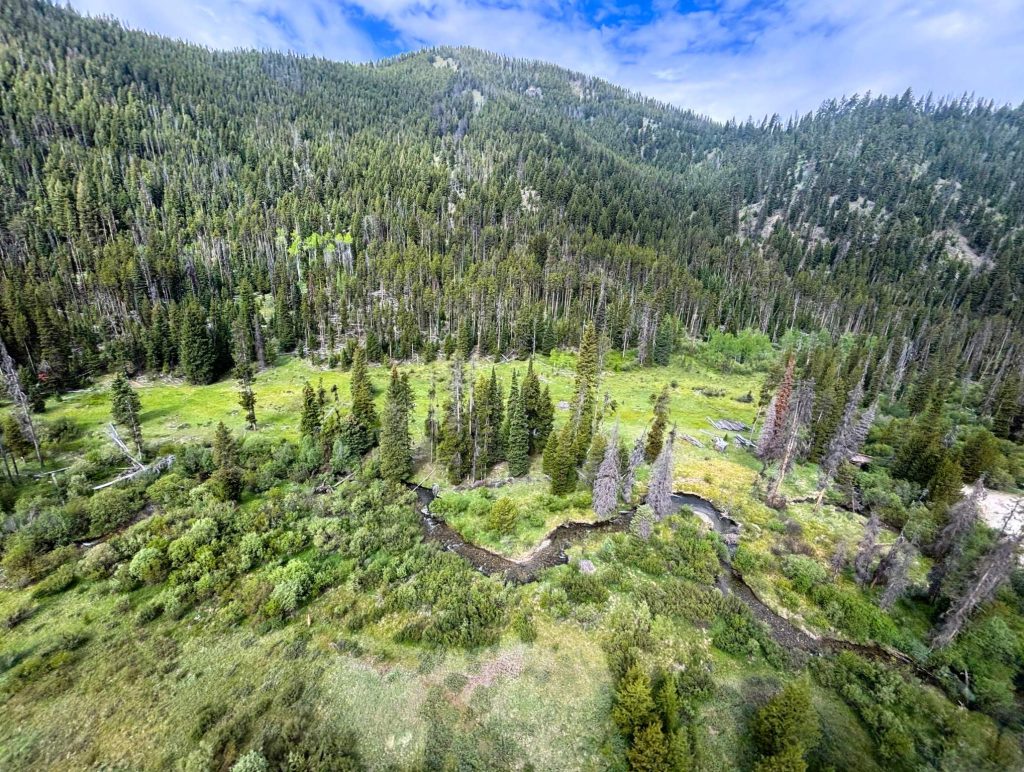
Why This Matters:
Sheep Creek mine in Bitterroot Headwaters
The proposed Sheep Creek Mine isn’t just located near the Bitterroot River. It would sit directly in the headwaters, where the River begins.
Some of the mining claims are just 200 yards from the West Fork of the Bitterroot River.
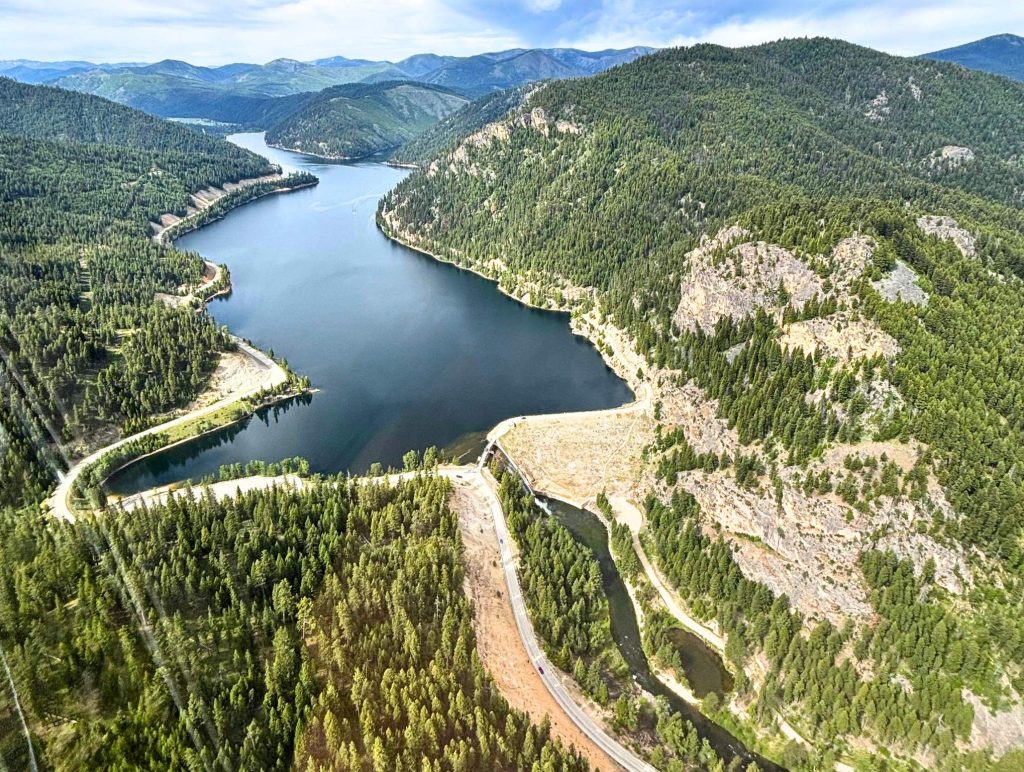
The West Fork is a top-priority for protection. It delivers clean, cold water and sustains Painted Rocks Reservoir, which stores over 10 billion gallons of water vital for working lands and maintaining stream flow that keep fish and wildlife thriving. The Reservoir supports the health of the entire Bitterroot River system, particularly when flows are lowest.
What happens at Sheep Creek Mine will not stay there. Any contamination will move downstream. Once degraded by mining, these waters and habitats could never be fully restored—no matter the cleanup funds promised. Major impacts could include:
- Addition of acids, toxins, and chemicals to our clean waters
- Leaking of tons of sediment pollution, clogging fish breeding habitat
- Heavy use of limited water, undermining already stressed downstream irrigators
- Relentless road traffic along the West Fork and beyond, degrading county infrastructure
Background: Sheep Creek Mine
Since 2022, US Critical Materials has sampled Sheep Creek lands for rare earth elements (REE). They claim high concentrations and intent to develop the mine. REE mining typically involves strong acids and produces toxic byproducts that are discharged to tailing ponds, which can endure for decades and often leak toxic water. As of 2025, the exploration phase of the development is being ‘FAST-tracked’.
REE Mines and their managing companies have a track record of harming communities and degrading environments; “irrevocably [changing] the lifestyles of residents” by leaving permanent acidic waste and other pollutants in drinking and natural waters, among other impacts.
The waters that found our cornerstone economies – recreation, tourism, and agriculture – are already threatened by increasing temperatures, decreased availability and greater extraction. Political, legislative, and corporate actions to accelerate permitting for this mining development create a landscape ripe for irresponsibly quick decisions regarding approval of this ill-placed mine.
How Our Community Is Responding
The Bitterroot has a right to know about – and a right to influence – the decisions being made about our public lands. Community input is especially critical in this proposal for mining in our River’s headwaters.
Our Team is working diligently to learn as much as possible about the proposed mine at Sheep Creek.
There is much more we still need to understand about the proposed mine.
We regularly update this page with new information to keep you informed about proposal updates, the ways in which proposed activities could impact our waters and our community, how you can stay engaged, and more.
- Learn the Issue — Spend 15 minutes exploring this webpage to understand the potential impact of mining at Sheep Creek and what avenues of influence are available to us.
- Stay Connected — Subscribe for email updates to stay engaged as important milestones approach.
- Spread the Word – The potential for community-wide impact demands community-wide attention. Share this website with friends and neighbors.
- Be Ready to Participate — When opportunities arise for public comment, community meetings, or other avenues for local control, you’ll know how to take part and make your voice heard.
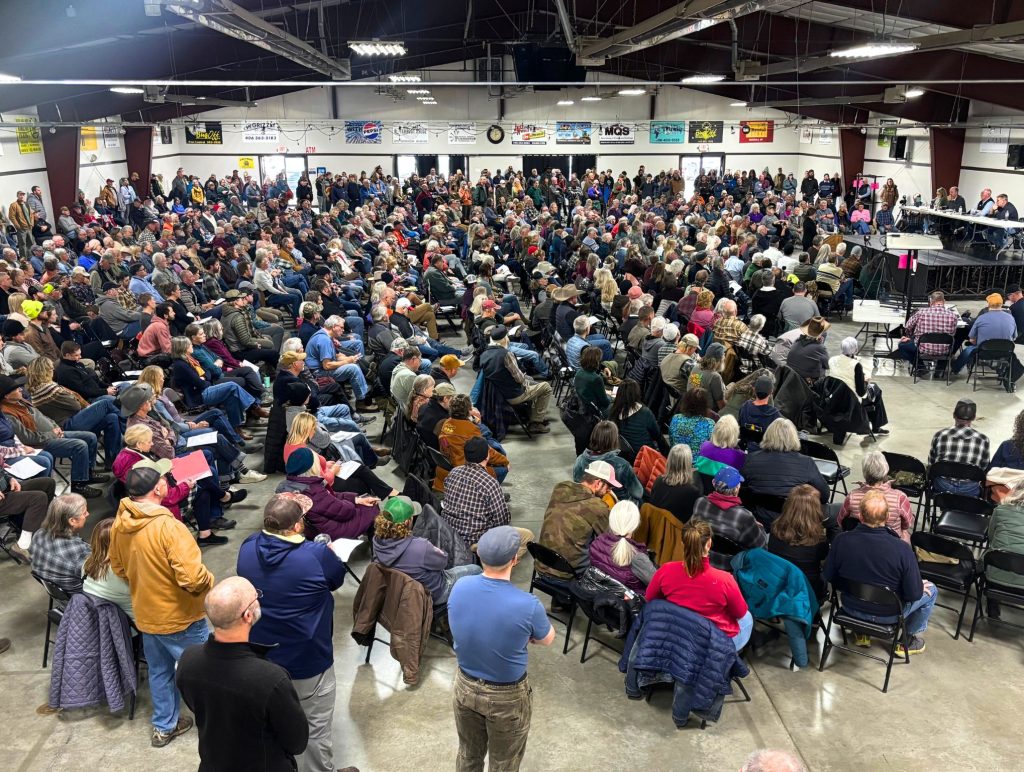
Latest Updates
Stay informed as the Sheep Creek Mine proposal develops and new information becomes available to our community.
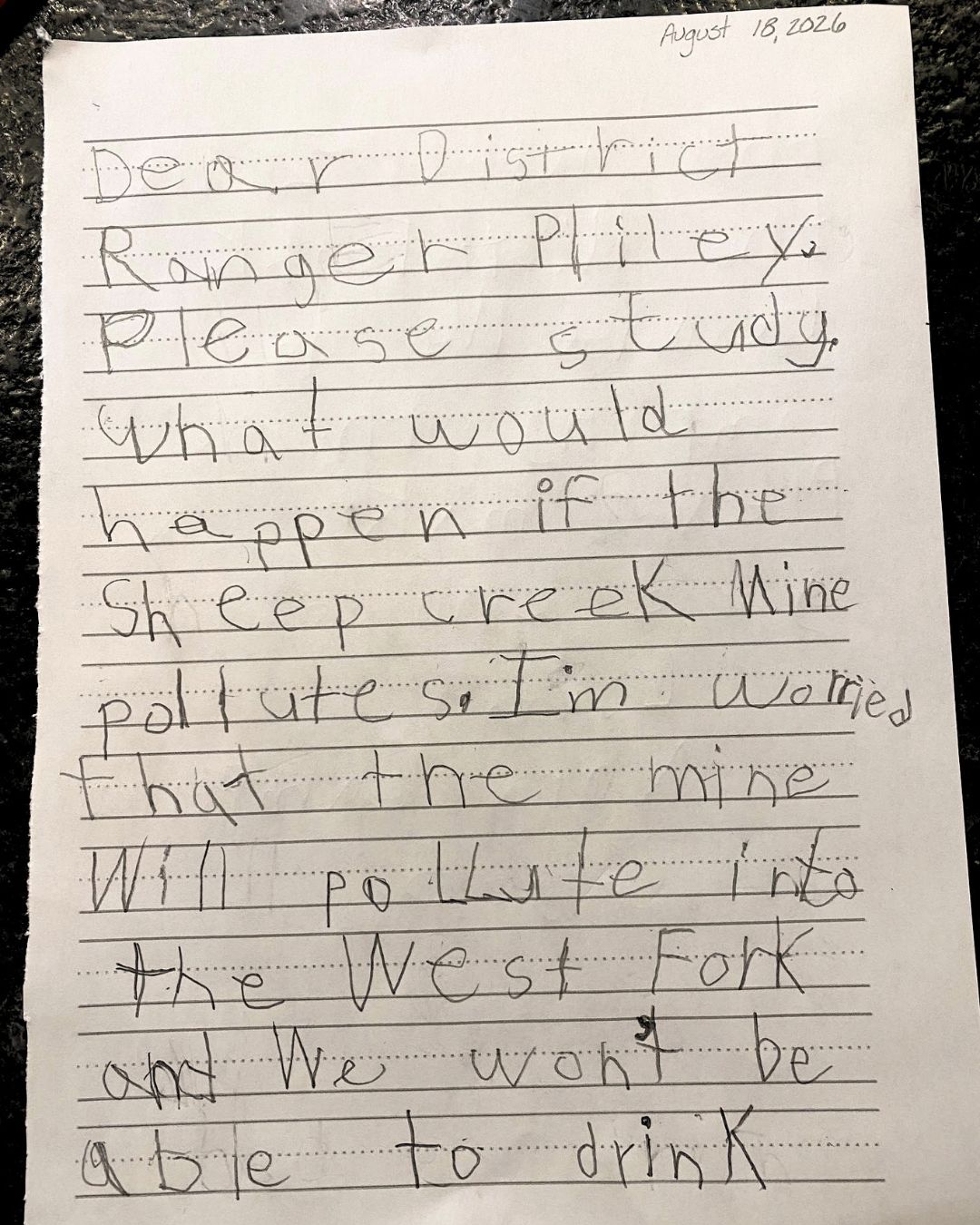 What does the Public have to say on the Sheep Creek Exploration Plan? 23 Sep 2026A Recap of Public Comment On August 14 the Bitterroot National Forest voluntarily opened a 30-day Public Comment period for
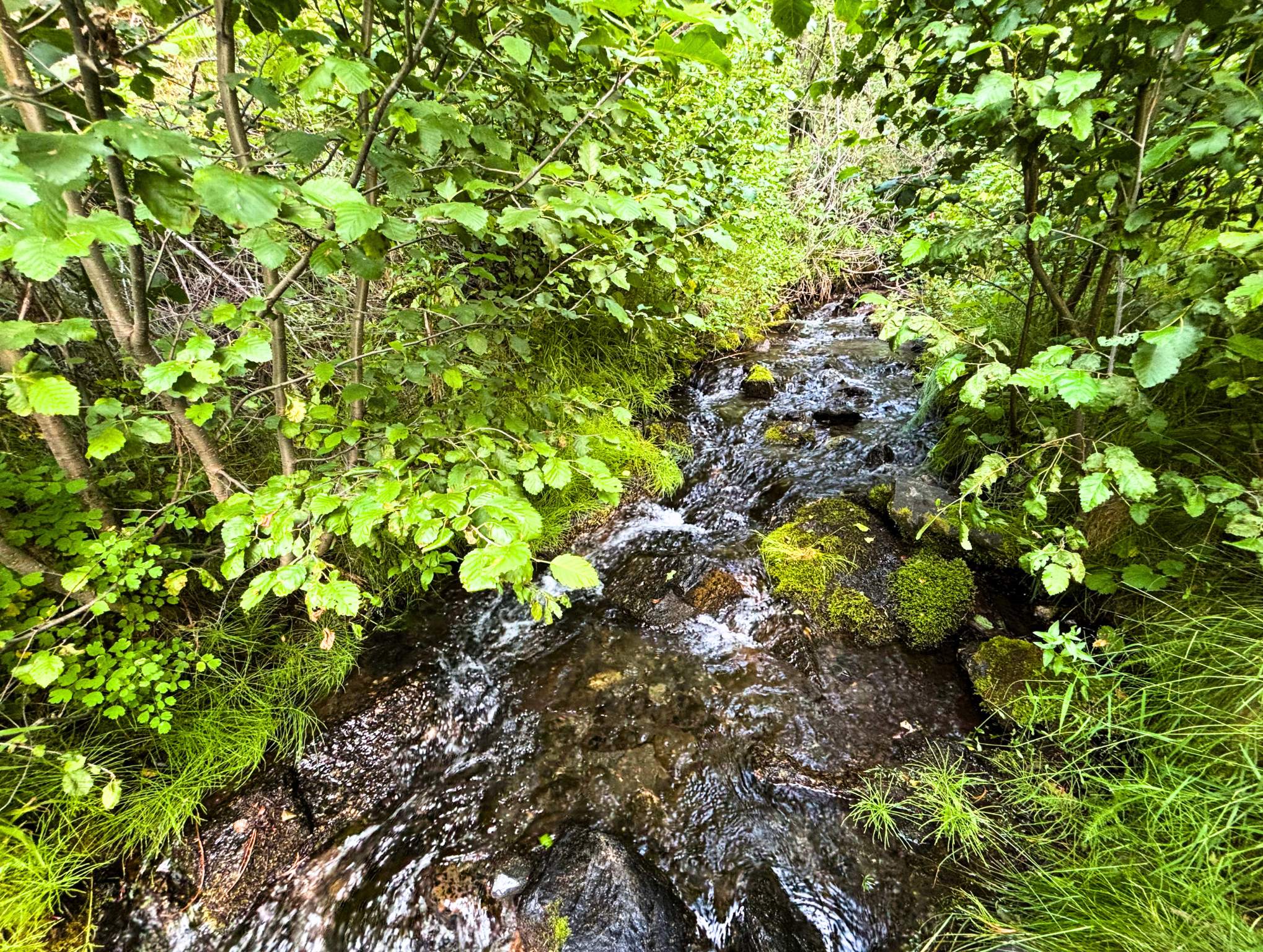 US Critical Materials Seeks Bare Minimum Evaluation for their Sheep Creek Mine Exploration Plan 30 Jul 2026The Bitterroot National Forest is initiating review of the Sheep Creek Mine Exploration Plan under a Categorical Exclusion (CE), the lowest level
Common Questions
Where is the proposed mine? How big will it be?
The proposed mine is located at the juncture of the West Fork of the Bitterroot River and Sheep Creek. The West Fork runs through the claims and some of the high values deposits lie just 200 yards from the river. The claims lie in the headwaters of the 155-mile Bitterroot River. It is located 13 miles upstream of Painted Rocks Reservoir and 36 miles south of Darby. US Critical Materials (USCM) owns 336 mining claims across 11 square miles in the Sheep Creek and West Fork drainage of the Bitterroot National Forest. The mine’s proximity to the Bitterroot River poses a significant risk of pollution, negatively impacting the Bitterroot, the Clark Fork, and beyond. The Bitterroot River watershed spans over 3,000 square miles and supports our quality of life as well as sustainable economic activity such as agriculture and tourism.
What is the significance of the Painted Rocks Reservoir?
Painted Rocks Reservoir supplies water for working lands and families as well as fisheries habitat. The dam stores about 32,000 acre-feet of water, or 10 billion gallons, or about 115 Washington–Grizzly Stadiums filled to the brim. Water in the dam is jointly managed by Montana Fish, Wildlife and Parks, the Montana Department of Natural Resources and Conservation (DNRC), and the Painted Rocks Water Users Association. Montana FWP allocates their water shares (15,000 acre feet) to keep sufficient water flowing through the River during the summer season to maintain quality fish habitat. In other words, as a major water source for the Bitterroot, Painted Rocks is a lifeline, providing cool, clean water when ranchers and fisheries need it most. Water released from Painted Rocks flows through the whole length of the Bitterroot River.
How much water does a mine like this ‘use’? How are they using it? Where do they get their water from?
US Critical Materials, the prospecting company seeking to develop a mine in Bitterroot headwaters, has not shared complete, adequate, or final details about what their exploration, extraction or processing methods might entail. Until we learn more, we cannot calculate how much water they will use. Based on other examples of REE mines, we suspect a high potential for this mine to use and pollute massive amounts of water.
Here’s what we know about how other REE mines use water:
- Rare earth mining tends to use more water than other types of mining due to the complex separation process
- Depending on the methods used, REE mining can use anywhere from 200 to 1,500 cubic meters of water per ton of rare earth oxides produced (source).
- Water can be used in various ways including during mining and crushing, for mineral separation and flotation, in chemical processing and leaching stages, fire suppression, and more (source).
How would fish and wildlife be affected by this mine in Bitterroot Headwaters?
Acids, Toxins, Chemical Pollution: Loss of Clean Water
Traditionally, acids are used to separate REE release toxic elements from the ore. Mines like this are known for releasing radioactive chemicals like thorium, arsenic, and fluorine (Rare Earth Mining – Science News). Even in small doses, these chemicals can lead to poisoning of soil and groundwater. These chemicals increase the risk of disease in residents, including various cancers and skeletal fluorosis. When water polluted with these chemicals spills into the West Fork, the impact would be catastrophic to all trout, aquatic life, and wildlife in the entire Bitterroot River system.
Sediment Pollution: Choking Breeding Habitat
To operate as a mine, several miles of road would be constructed for dozens of trucks to access the mining area daily. Road building and ore extraction from mining operations will increase sediment, or fine dusty debris, entering the West Fork and Bitterroot River. Sediment damages breeding habitat by suffocating eggs and will degrade populations of aquatic insects that other birds, fish, and mammals rely on to survive.
Who has power to influence this process?
Our downstream communities could face many negatives impacts from this proposed headwaters mine. State and Federal governments have long recognized that communities have a right to influence major projects that may affect their well-being, especially when such projects occur on public lands.
We will work to ensure there are ample opportunities for public hearings and public comment across the permitting process. Given the ‘FAST-Track’ status of the project, the timeline may be unexpectedly short. We should prepare to respond quickly with questions and concerns.
Take Action
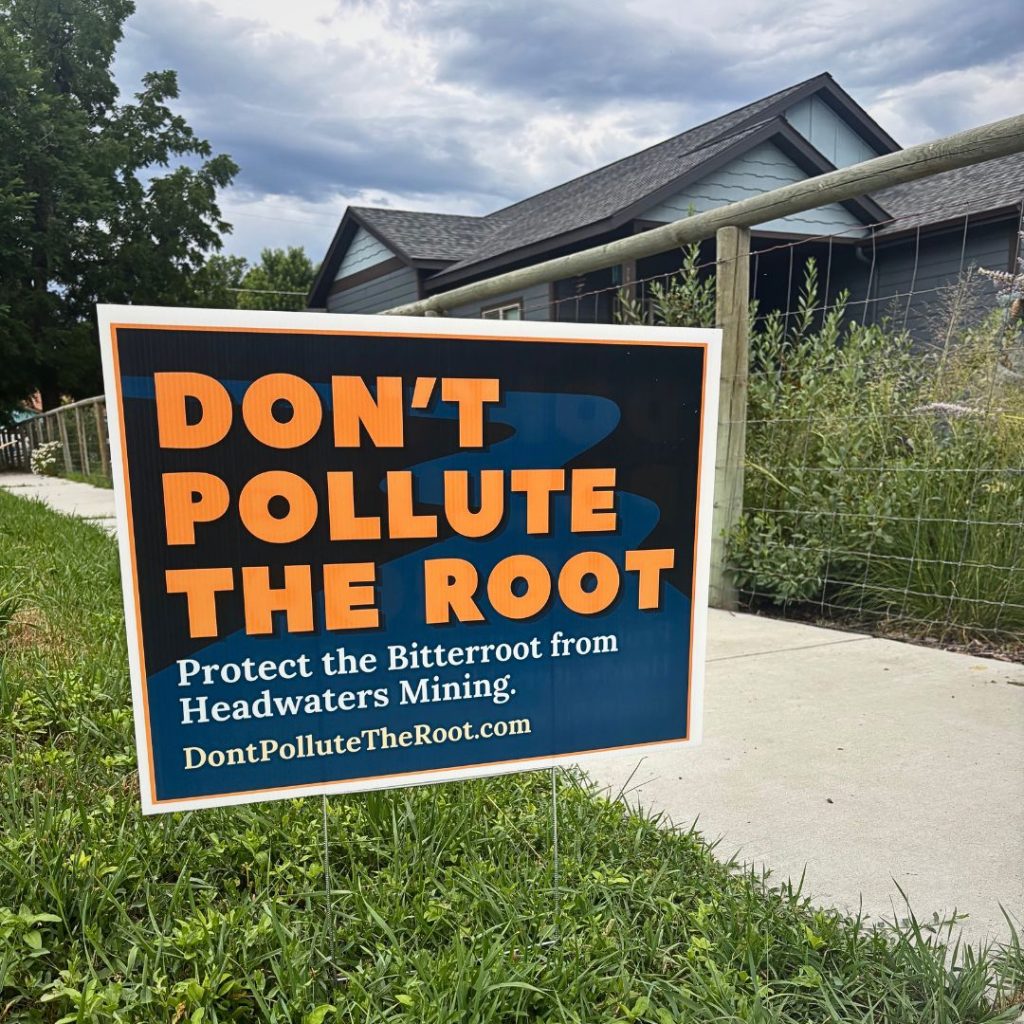
You have a right to influence decisions made for public lands and waters. Whether you’re attending an event to learn more, spreading the word about concerns of this headwaters mine, donating to advance community organizing outcomes, or submitting public comment during the permitting process: your participation matters.