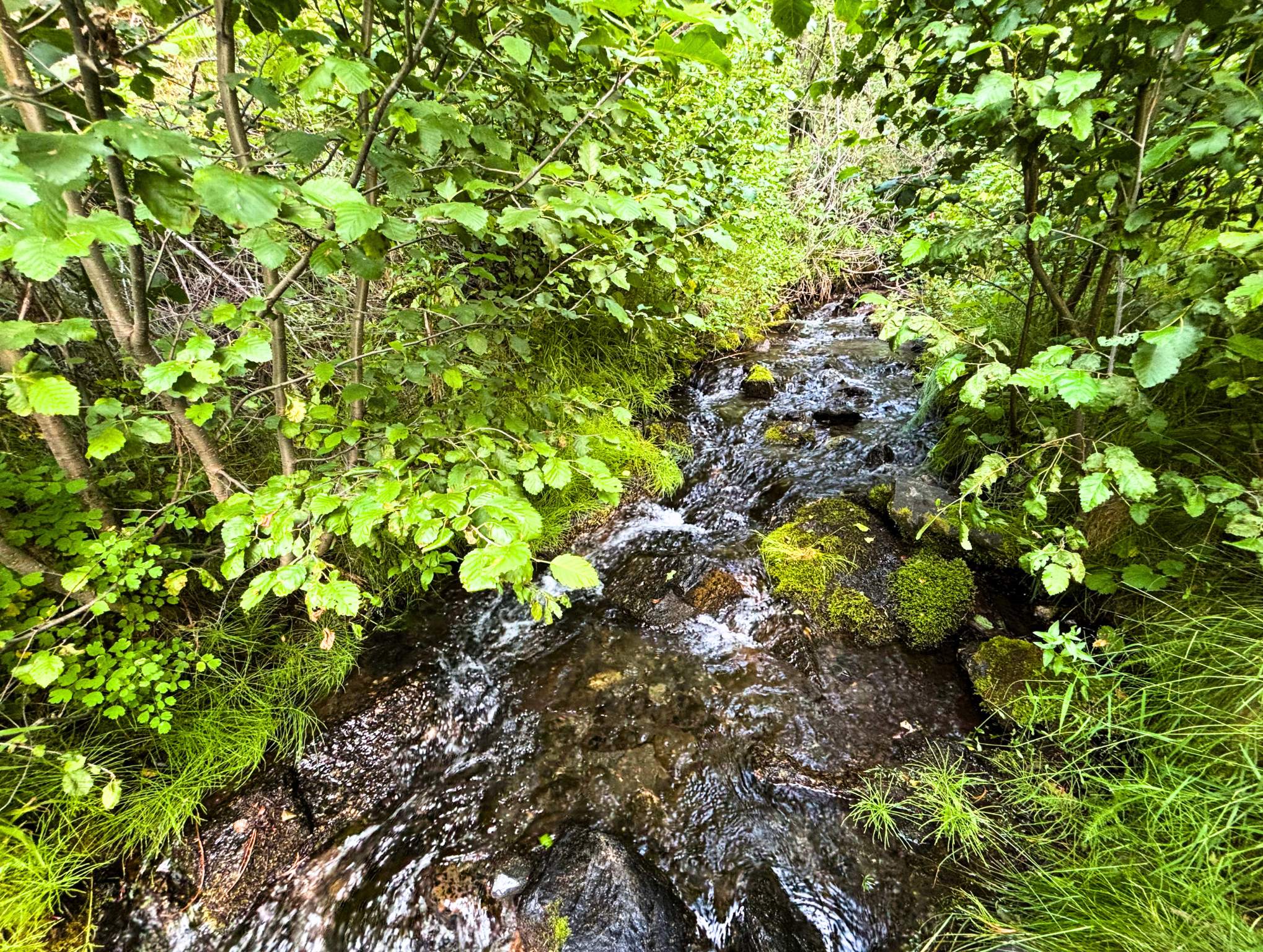
The Bitterroot National Forest is initiating review of the Sheep Creek Mine Exploration Plan under a Categorical Exclusion (CE), the lowest level of environmental review available to them. This level of review contradicts with the Environmental Assessment (EA), a much more rigorous review, that was predicted for USCM’s original Exploration Plan (Dec 2025 Plan). The switch from an EA to a CE indicates that US Critical Materials (USCM) re-designed their proposal with one goal in mind: to qualify for CE analysis, thus evading a higher level of environmental review as well as a mandated, legally binding public comment period. Any review process less than an Environmental Assessment with robust public engagement would be wholly insufficient.
The Sheep Creek Project is already a beneficiary of the Federal FAST-Track Program, which streamlines the permitting process and offers only the bare minimum public participation. Approving exploration with a Categorical Exclusion, or without an Environmental Assessment, would be the ultimate override of local concerns. It would signal clearly that local Montanans are not valued. Despite company rhetoric, that is exactly what USCM wants: zero public input.
Sheep Creek Mine Exploration Plan Designed to Skirt Meaningful Environmental Review & Community Input
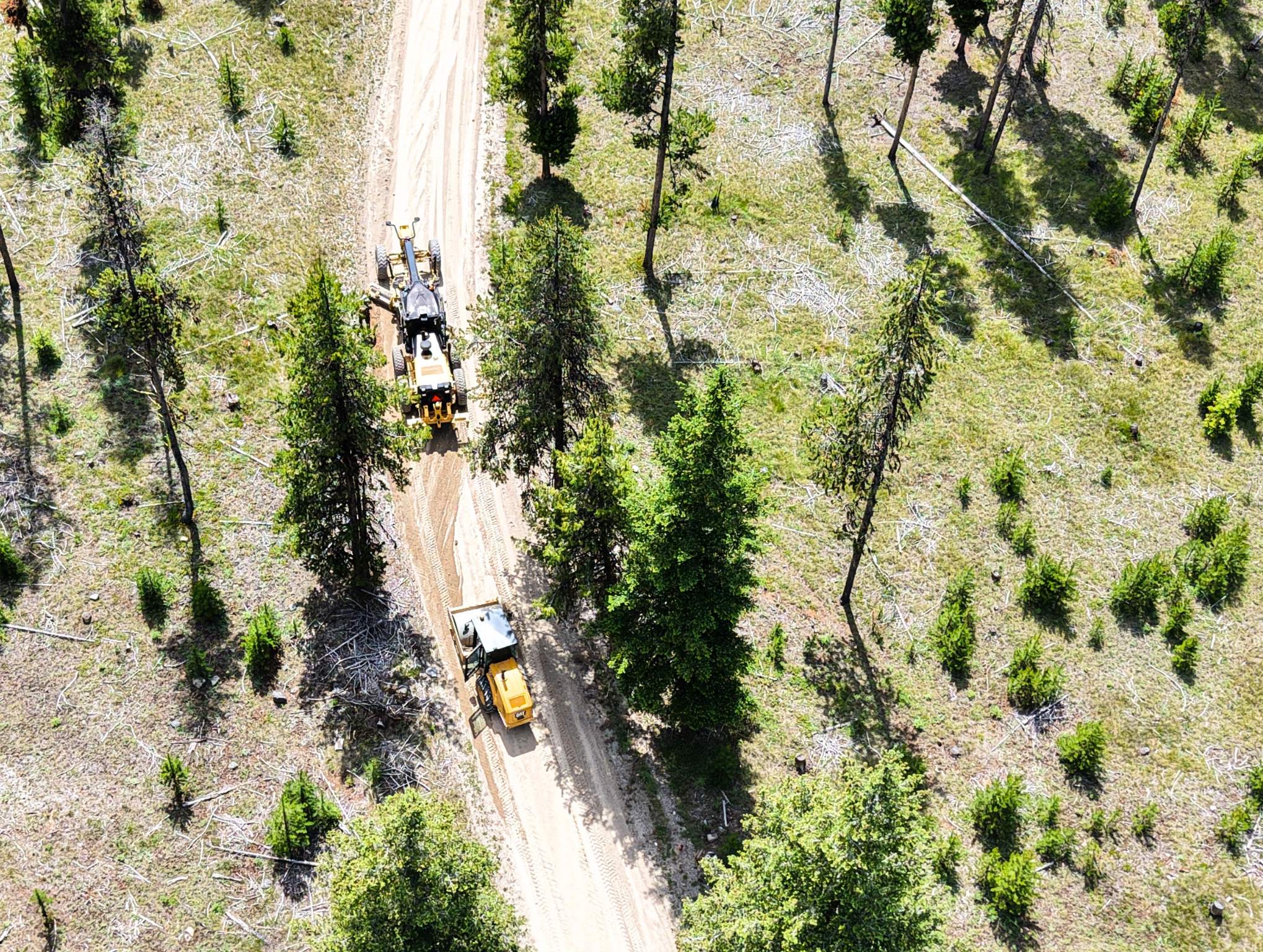
Among other absurdities, the current Plan proposes 3,000 helicopter flights to complete a one-year exploration project. There’s only one reason for such an ridiculous approach: construction of roads to transport material would have surely resulted in an Environmental Assessment.
This company is set on moving as quickly as possible. By requesting Montana DEQ exempt their project from State Law and pursuing CE analysis through the National Forest, they continue to showcase an eagerness to step over and around our community to achieve their goal of mining in the headwaters of the Bitterroot River.
We believe this project requires the highest level of scrutiny possible, without limitation.
The Forest Service can complete one of three review processes for projects like Sheep Creek Mine. First, an Environmental Assessment (EA) is prepared to determine whether significant impacts will occur. Second, if there is any likelihood for significant environmental impacts, the Forest Service must prepare a more rigorous Environmental Impact Statement (EIS). Finally, under limited circumstances where there is no reasonable likelihood for any environmental impacts, the Forest Service may permit an exploration project under a ‘Categorical Exclusion’ (CE). Notably, a CE is the only of the three processes that does not require any public involvement and a CE is usually not acceptable where ESA-listed species or cultural resources are at risk.
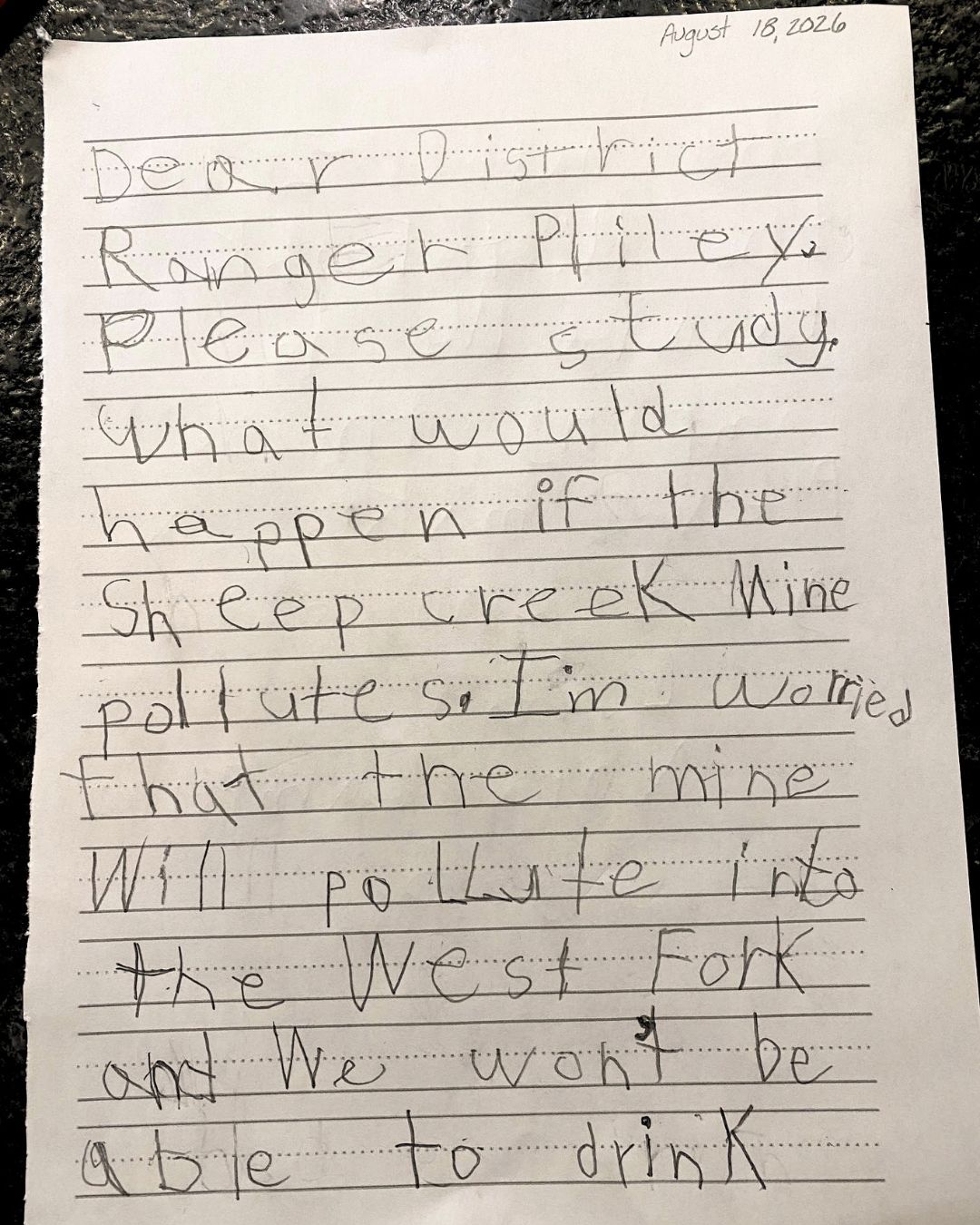
However, the Bitterroot National Forest will offer a voluntary public comment period in August, 2026. Together, we can unveil the extraordinary circumstances that demand this project be reviewed with the highest level of scrutiny.
SUBSCRIBE FOR ACTION ALERTS – Public Comment
Every decision about the proposal to mine in the Bitterroot River’s headwaters needs to be judged by the full range of potential impacts to our waters and our strong, resource-based economies.
Misleading Framing of Sheep Creek Mine Exploration Plan
The plan is misleading by emphasizing that ‘surface disturbance’ would be less than an acre. Total disturbance and potential negative impact from this project could be huge. US Critical Materials plans for up to 35,000 pounds of toxin-infused materials leaving the site each day, 3,000 helicopter flights, and 18,000 feet of total drilling.
The Plan proposes industrial exploration in the headwaters of the West Fork of the Bitterroot, including blasting, drilling, fuel storage, explosives, drilling chemicals, helicopter flights, and trucking 6 million pounds of hazardous material along the river to Conner. The plan is vague or silent regarding water handling, how mine waste would be managed, geochemistry, radioactive materials and asbestos.
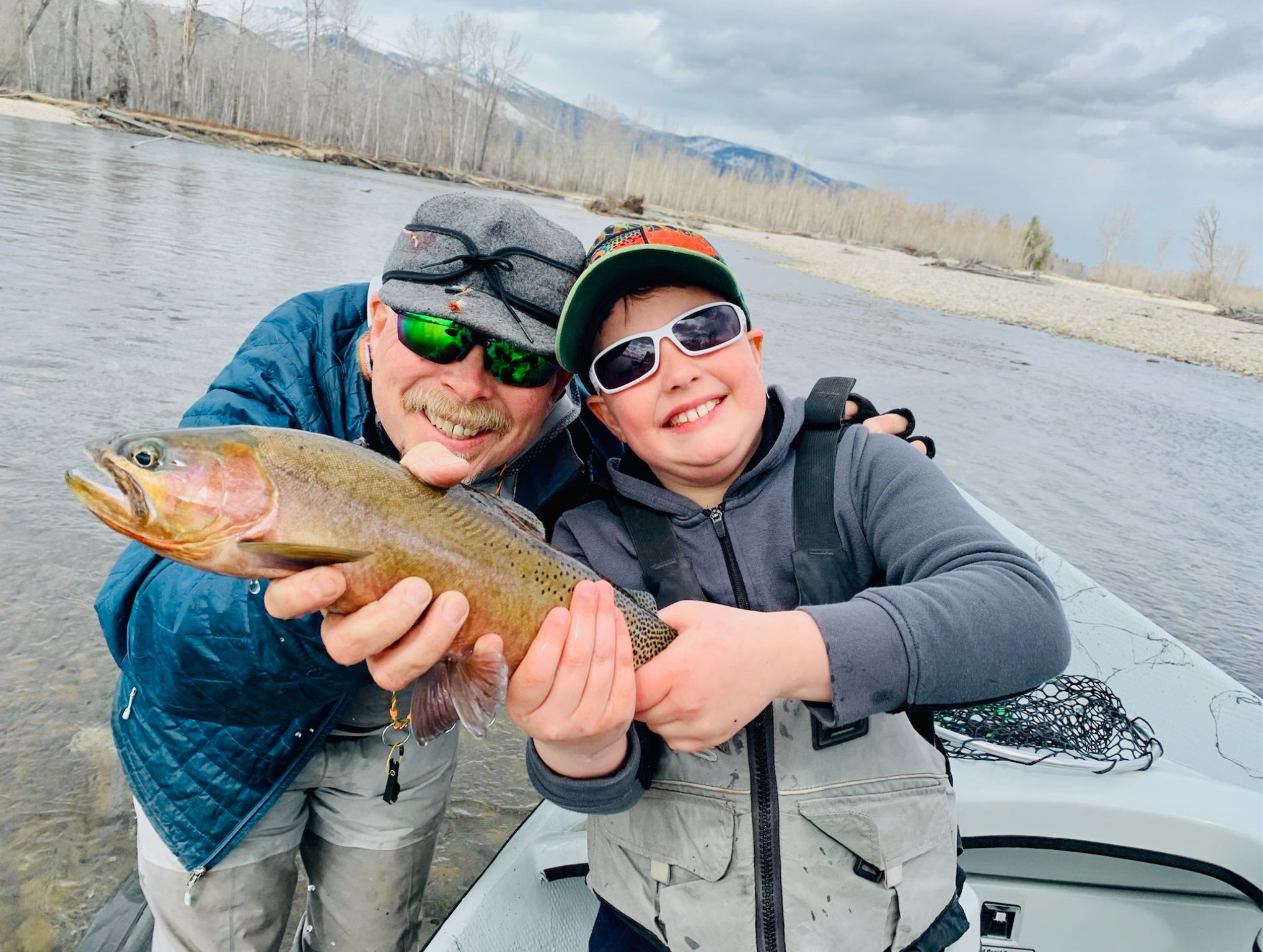
CE’s are typically used for activities that the Forest has pre-determined to have a low likelihood of significant impacts. However, community members agree the Plan lacks the detail needed to assess how critical resources — like water quality, public health, fish and wildlife — will be impacted. For one, the stakes are high for ESA-listed bull trout and Montana’s state fish, the native westslope cutthroat trout. The unknowns are too many to count.
USCM has provided little baseline data on possible contaminants, like radioactive material in the rock the company intends to explore. Nor has USCM provided a plan for handling potential surface water runoff that would hold up to the potential scale of runoff in the Bitterroots. The USFS should require rigorous environmental analysis of these aspects, as well as a plan for independent monitoring and enforceable safeguards before approving this work. Fish and all downstream water users deserve at least that.
Legacy of Insufficient Review and Precaution – Headwaters Mining Deserves the Greatest Extent of Review
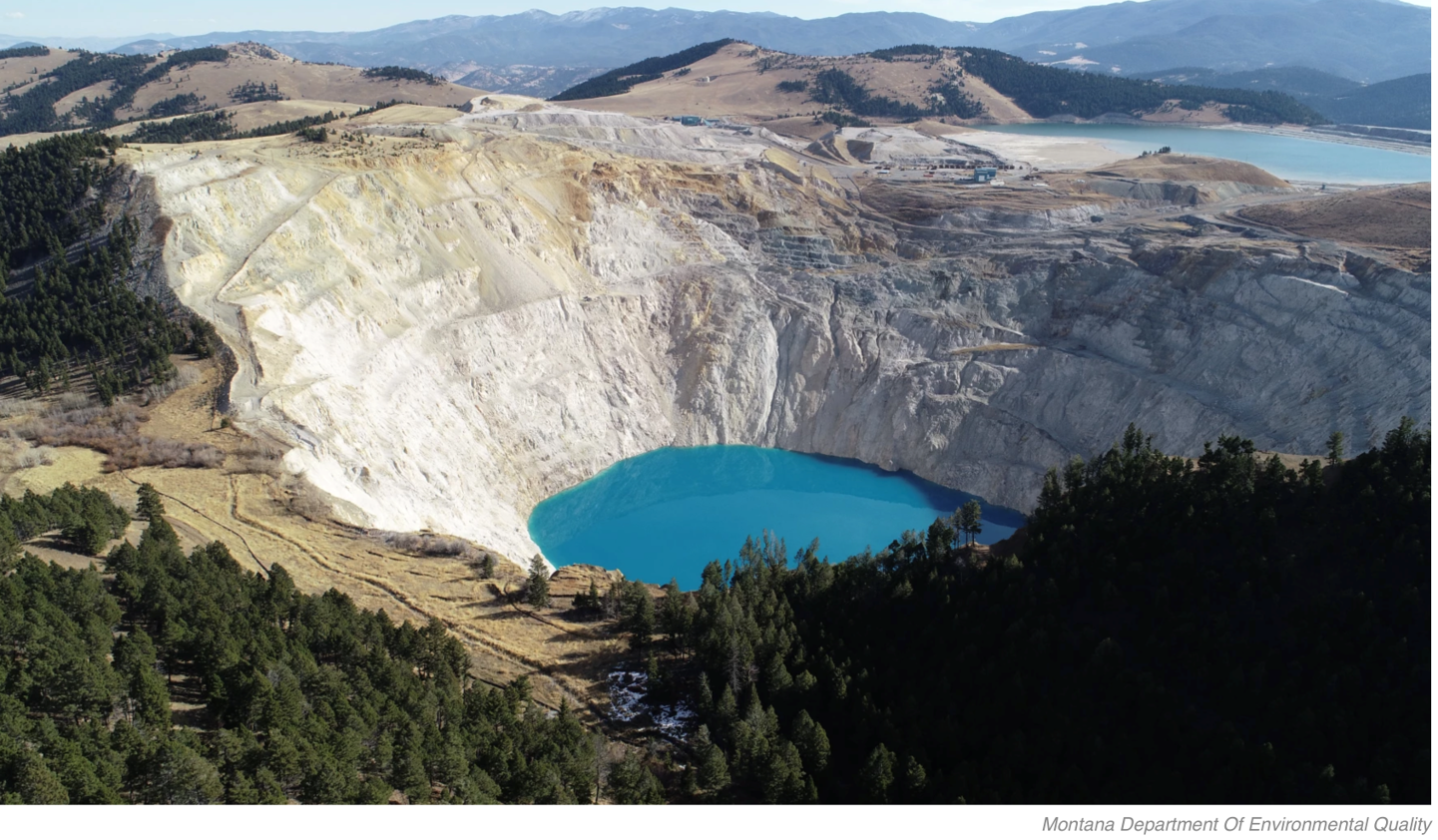
In Montana, we’ve seen firsthand how poorly planned, underregulated mining projects have decimated waterways, harmed or eliminated wildlife, and left taxpayers on the hook for decades of cleanup costs.
Against this backdrop, we expect that U.S. Critical Materials and our federal partners will take their obligations to protect Montana’s environment seriously and prepare a full, detailed and transparent accounting of planned exploration activities and potential environmental impacts.
Don’t Pollute the Root will be organizing community members to participate in public comment this August, where you can urge for a rigorous Environmental Assessment.
Subscribe for Action Alerts to get reminders and information straight to your inbox.