What happened:
On July 1, 2026 The Forest Service released a new Plan of Operations from US Critical Materials (USCM) for exploratory activities at the Sheep Creek mine.
The plan lacks the detail needed to assess whether the things we care about – the health of our community, rivers and environment – are at risk.
Next Steps for Sheep Creek Mine Exploration Proposal:
- Urge Bitterroot National Forest to conduct a complete Environmental Assessment (EA) for the Sheep Creek Exploration Proposal, including the full extent of public participation opportunities.
- A Categorical Exclusion (CE) review process would not successfully uncover or address the full range of risks associated with the proposal and could skip public comment entirely
- A Categorical Exclusion (CE) review process would not successfully uncover or address the full range of risks associated with the proposal and could skip public comment entirely
- Until a formal Public Comment period associated with an EA opens, and in the case that one is not offered, you can email comments to: Sheep.Creek.Comments@usda.gov
- Find a template for comment here.
- Find a template for comment here.
- Prepare for the next public comment period and subscribe to receive an email alert through DontPolluteTheRoot.com. The next comment period will either be formally offered by the Forest Service or organized separately by the community.
What’s Proposed in the Sheep Creek Mine Plan:
The full proposal can be downloaded at DontPolluteTheRoot.com/Updates. Key takeaways include:
- Exploration is proposed over a 1-year period, with intention to begin as soon as possible (July 2026)
- At most, twelve temporary jobs provided
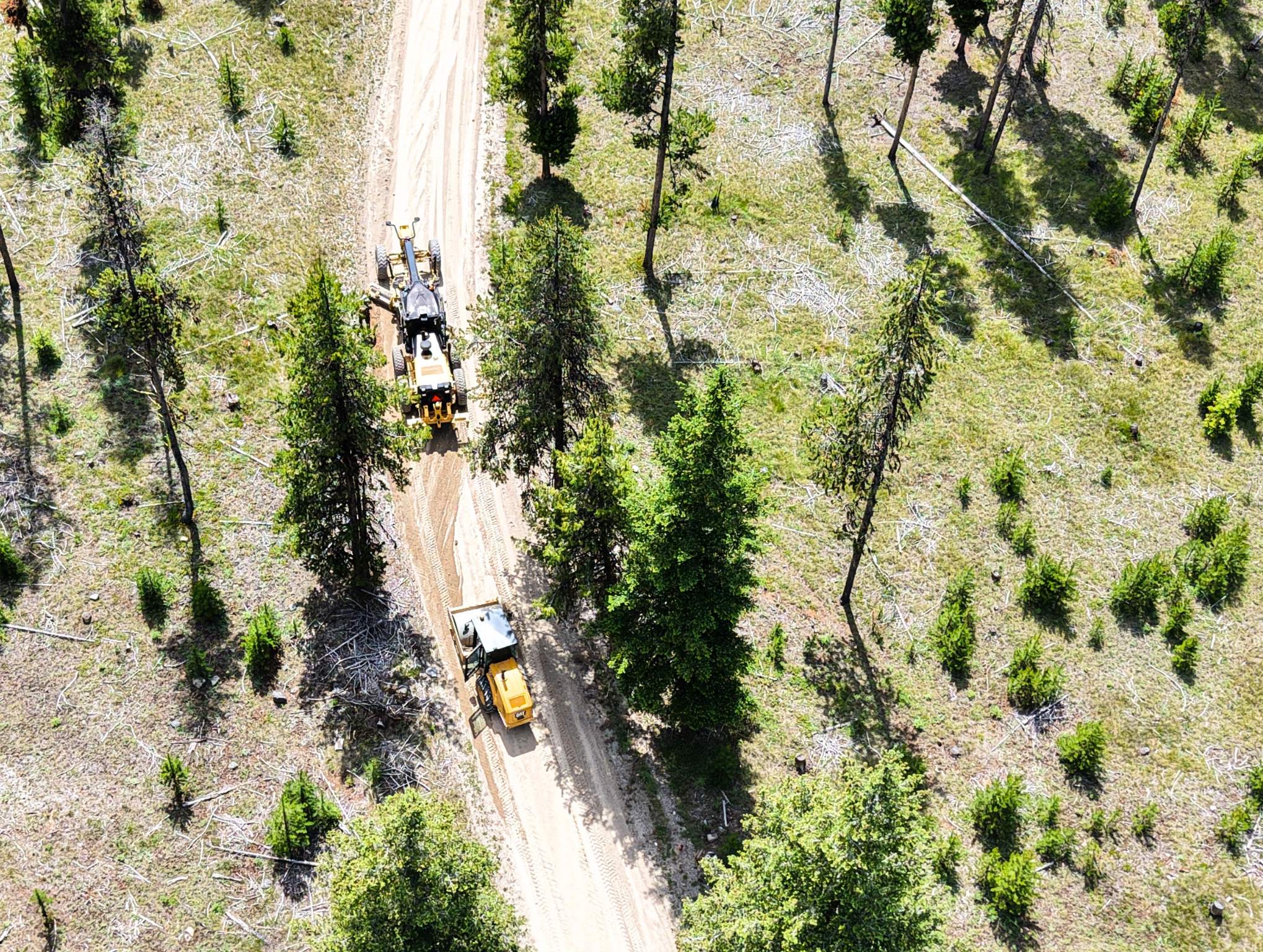
- Exploration will occur at 4 locations within the 11-square mile proposed mining site. It will require heavy drilling equipment, chemicals, explosives and underground sumps to collect and reuse water and settle mine waste.
- Over 3,000 helicopter flights will transport excavated rock material (ore), equipment, imported water and other mining materials to, from, and within the site. This includes 540 roundtrip flights between Conner and the Headwaters of the West Fork and 3,580 flights from the mining complex to a staging area along the West Fork Road.
- Up to 6 million pounds of potentially toxic excavated rock material will be transported along 30-miles of the West Fork of the Bitterroot River from the Sheep Creek exploration site to Conner. USCM proposes using a heavy-duty truck and trailer. Any “waste” rock will be left on site.
- Reclamation will occur within 12 months of completing work and includes activities like removing structures, drying out sumps, plugging drill holes and planting. The only commitment beyond that 12-month period is an annual assessment of plant establishment for 2-years.
What’s NOT Proposed in Sheep Creek Exploration Plan – Why We’re Concerned
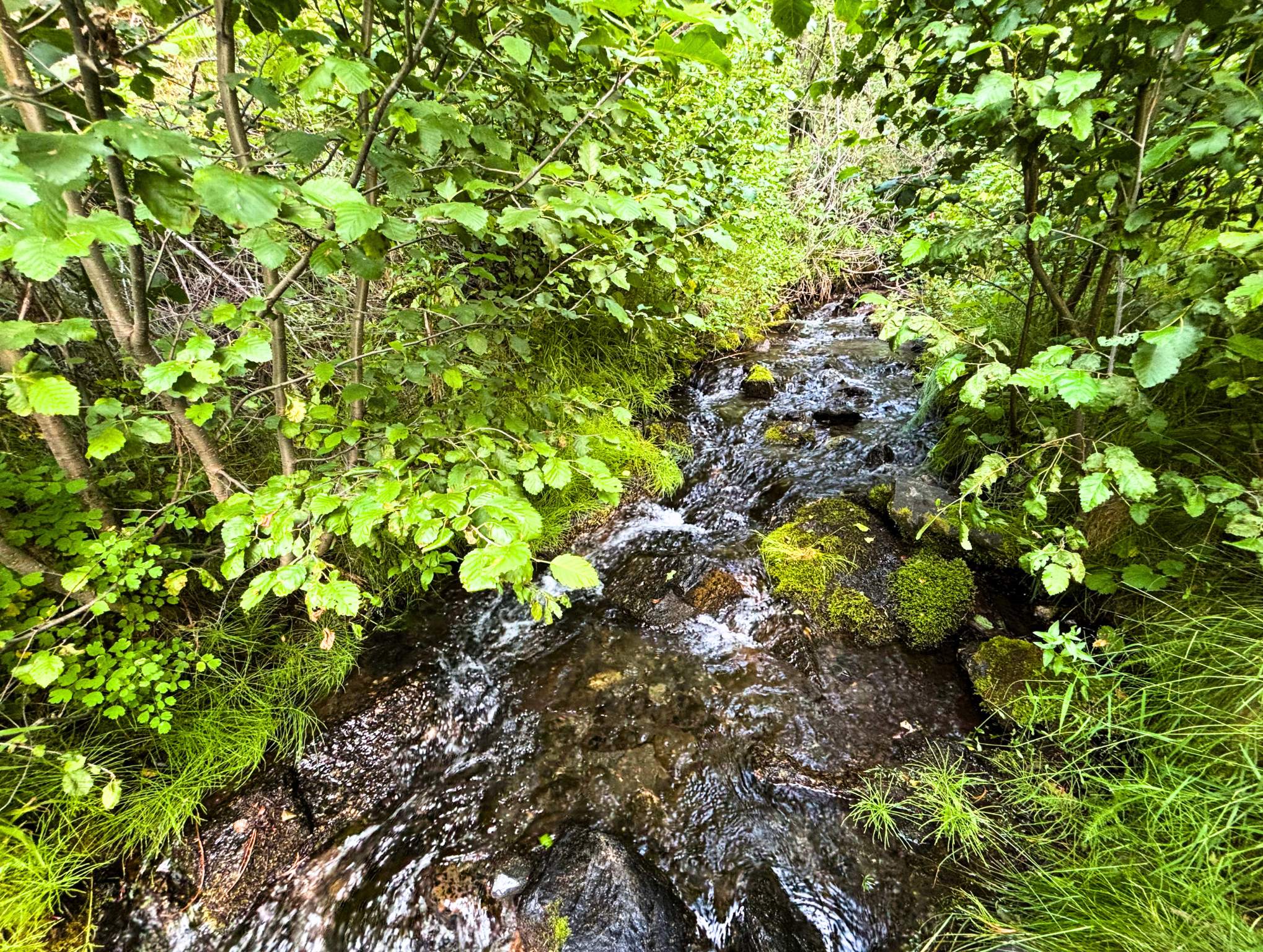
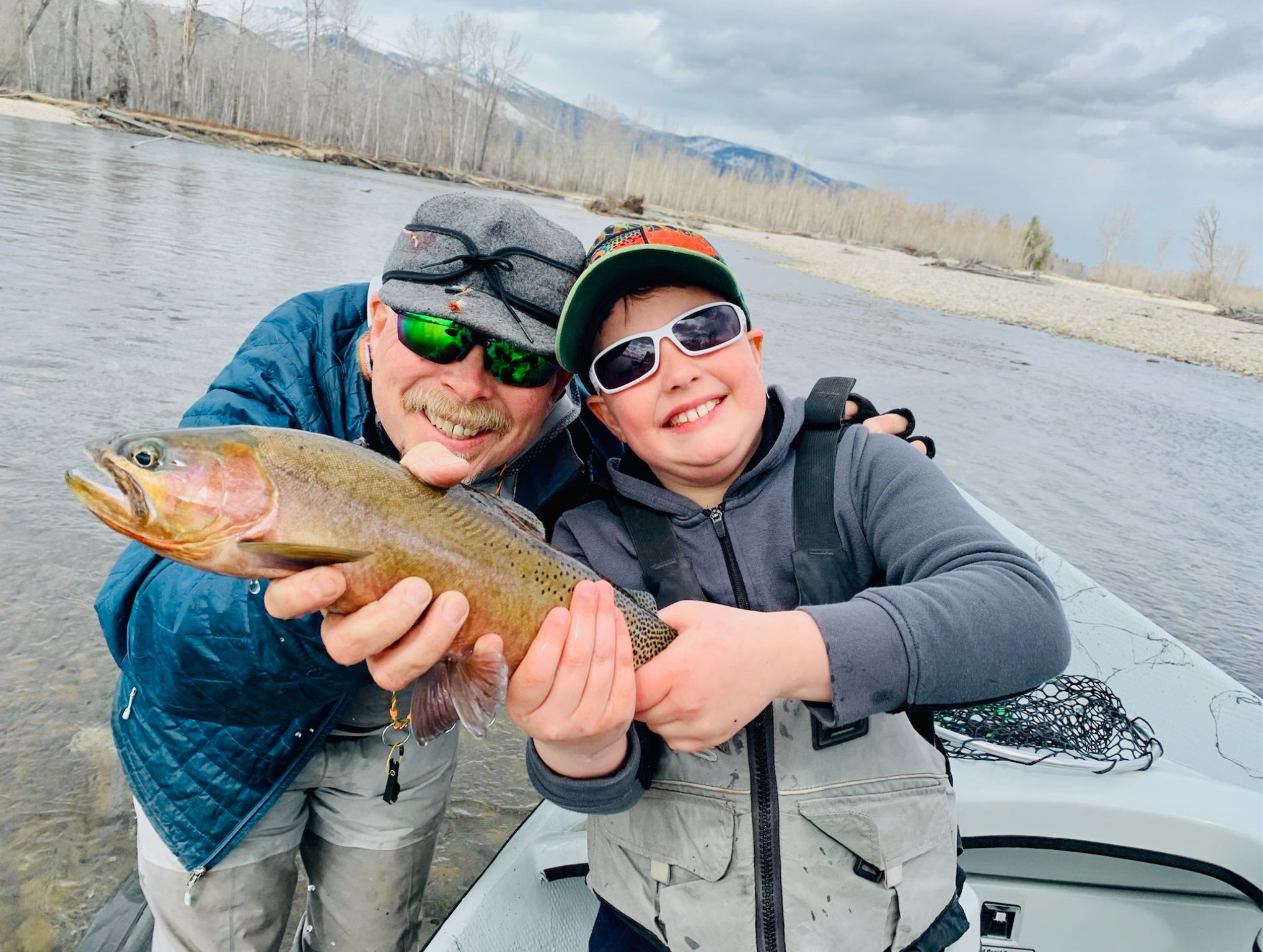
The Bitterroot Community is deeply concerned about potential threats that this Mine at Sheep Creek, in the headwaters of the River, would create for downstream communities that rely on clean, flowing water for agriculture, recreation, tourism economies, and rich traditions that value Montana fish and wildlife.
Simply put, the current plan lacks the detail we need to assess how the resources we care about might be impacted. The US Forest Service is obligated to protect these resources on our behalf. For these reasons, we believe the Forest Service should conduct an Environmental Assessment of potential effects and prioritize a robust public comment period.
Below are the most pressing issues we see in the current plan. For a more detailed description of each of these, and many other issues raised view the full review here.
1. Water:
The proposal ignores the two most common threats mine exploration poses to rivers and streams: acid mine drainage and polluted run-off from mined materials left on site. A responsible plan would present a complete assessment of groundwater, the acid-generating potential of the mined rock, and clear plans for handling snowmelt and large storm events that eliminates the all-too-common occurrence of water coming into contact with highly toxic, and long-lasting toxins. Additionally, the plan provides no detail on the quality of water being hauled in from an unidentified source, how wastewater will be safely managed, or how groundwater contamination will be avoided. Without these key details, the potential negative impacts to high-value species like bull trout or Westslope cutthroat trout are unknown.
2. Risks to human health and worker safety:
In 2024, USCM published – and then quickly removed – sample results from the mine showing that disturbance of the rock at Sheep Creek could risk exposure of threatening levels of asbestos, uranium, thorium and radioactive material. In fact, these toxins are often present in high concentrations alongside targeted rare earth elements. The plan never mentions these potential toxins that workers will be handling and that will be hauled through our community. The public deserves to know if this mine poses a health risk to our community.
3. Threats to fish and wildlife:
The plan lists general wildlife measures: food storage, wildlife-proof containers, temporary fencing around sumps, daylight helicopter operations, and notice to the Forest Service if grizzly bear, lynx, wolverine, or other species are observed. Those measures need stronger conditions, particularly in light of the heavy helicopter use in the plan. Fish are never mentioned, despite the presence of threatened bull trout and sensitive species like Westslope Cutthroat trout and slimy sculpin.
4. Transparency:
The Don’t Pollute the Root team, public officials, and Bitterroot citizens have consistently asked USCM to meet with us, to share draft plans and data, and to hear our concerns. Our calls continue to go unanswered.
5. Permitting & Reclamation:
USCM reduced the scale of exploration from their previous proposal, not because of community concern, but in an attempt to bypass more stringent permitting, environmental assessment and reclamation standards. The project scope could fit within the criteria the Forest Service considerers for a Categorical Exclusion, meaning the project could proceed without further scrutiny or public input, and with limited reclamation requirements.
What’s Next for Sheep Creek Mine Exploration?
The Forest Service has not announced the level of environmental analysis this proposal will require, though the FAST Track Permitting Dashboard lists it as ‘Cancelled’. There are two likely paths:
- Environmental Assessment (EA): Requires an assessment of potential affects and a public comment period; or
- Categorical exclusion (CE): Used for activities that the Forest has pre-determined to have a low likelihood of significant impacts. A CE would allow the project to proceed without further scrutiny and with NO requirement for formal public comment.
Based on the concerns listed above, we believe that the Forest Service has the responsibility to conduct an Environmental Assessment with robust public engagement before deciding whether to allow exploration to proceed.
Additionally, the proposal must also be reviewed and licensed by the Montana Department of Environmental Quality. Similar to the Forest Service process, proposals will have different levels of scrutiny and public engagement depending on the scale of the project and level of potential impact.
What can you do?
- Publicize your Concerns – Speak out to friends and neighbors!
- Submit comments: The Forest Service has created an email address to receive comments. This is NOT the same as a formal comment period that comes with greater legal weight but allows your concerns to earn a place in the public record, especially if no public comment period is offered.. Send comments to Sheep.Creek.Comments@usda.gov .
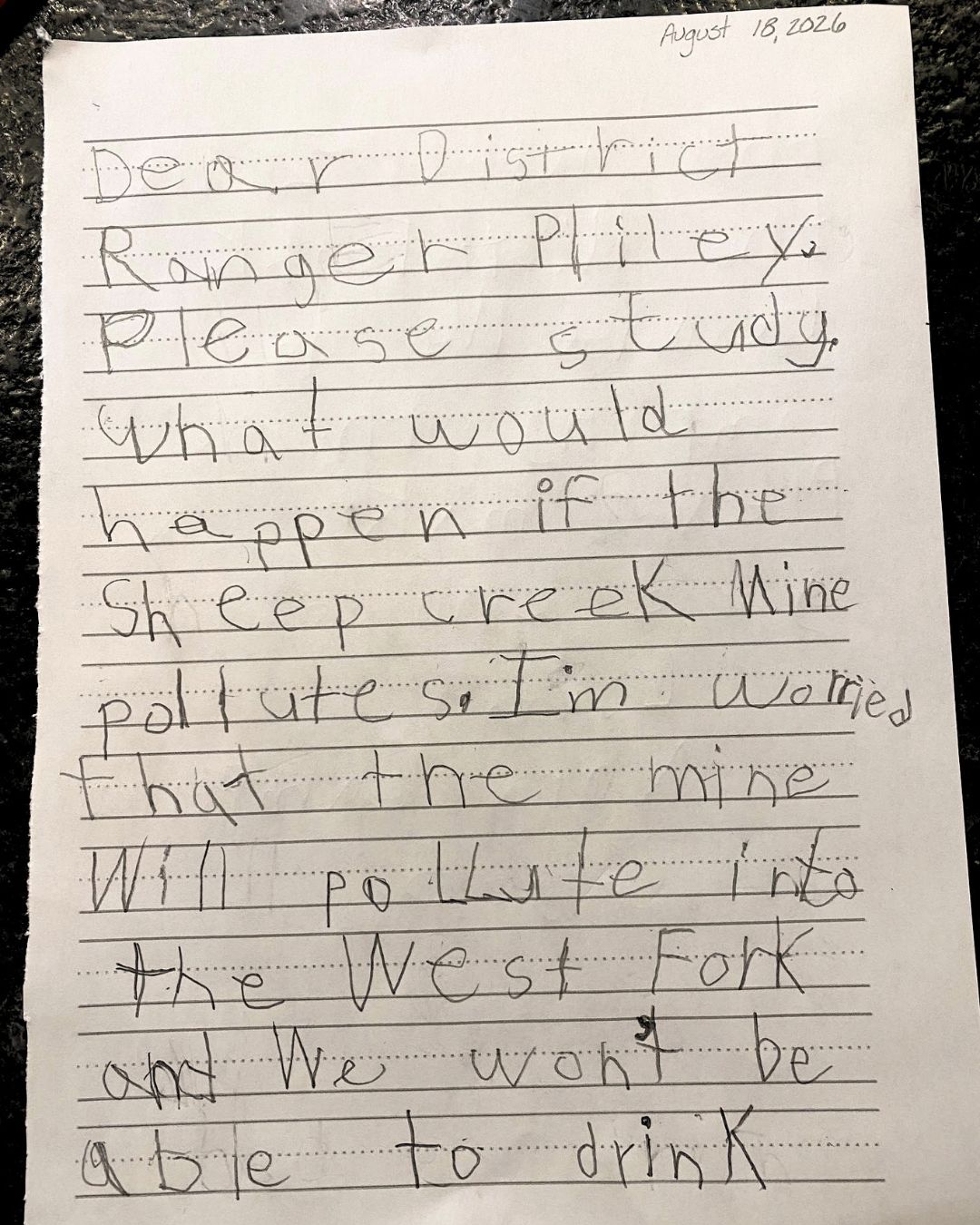
- Highlight the risks and oversights you see in the current plan. Encourage the Forest Service to request more information and complete an Environmental Assessment before making a decision. See letter template here.
- Write an Op-ed: If you have a unique perspective on how this plan might impact you – your business, your family, your community – consider writing an op-ed.
- Subscribe to our email list to stay up to date on this issue.